Introduction
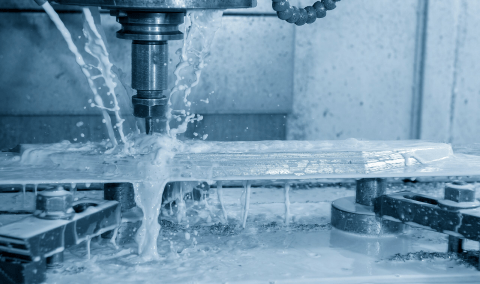
In the world of Product Development especially in products that rely on plastic parts, mold design knowledge holds immense significance. More often this knowledge could define product functionality and foster innovation. Choosing the right process and material at the start of the design phase is key to product quality, cost-effectiveness and reliability of the final product. Having knowledge of Mold development cycles and key manufacturing methodologies involved in Mold Manufacturing can aid in cutting down rework costs and timelines significantly. This document delves into the various dimensions of mold design and underscores its significance in the realm of plastic part design. The focus will be on Injection Mold Design however these principles can be translated to other processes such ad Blow, Compression, Thermoforming to name a few.
An Overview of Mold Design
Mold design involves the creation of a mold, which is essentially a hollow container used to shape materials into desired forms. The process encompasses several steps, including Machine Selection, material selection, Tool design, Process Planning and precision Manufacturing. Each of these steps must be meticulously managed to ensure the mold functions correctly, withstands the manufacturing process, and produces consistent, high-quality parts.
Machine Selection
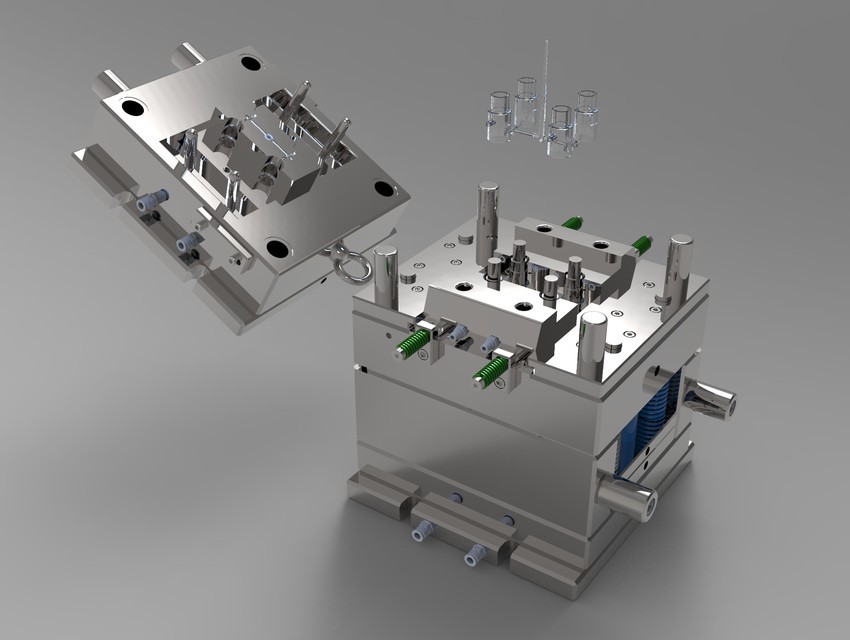
This is one of the first key selections a Mold Designer must make based on the size of the part. The platen size and tonnage of the machine determines the size of the Mold base and auxiliaries. Cycle times and material capabilities would be a determining factor while choosing the right Molding Machine.
Material Selection
Choosing the right materials for the mold is critical to its longevity and performance. Materials must be selected based on the type of product being manufactured, the manufacturing process, and the expected production volume. Common materials used in mold making include steel, aluminum, and various alloys, each offering unique benefits and challenges. Hot runner systems could be considered to reduce material wastage and improve cycle time for high volume parts.
Tool Design
Tool design involves the detailed engineering of the mold, including the design of cavities, cores, cooling systems, and ejection mechanisms. Precision in tool design is paramount, as even minor errors can lead to defects in the final product, increased production costs, and extended lead times.
Process Planning
Tool design is often accompanied by process planning for each subcomponent of the tool that takes it from raw material to finished subcomponent of the tool. For example, the guide pins are purchased as rod and go through a lathe machine -> heat treatment -> cylindrical grinding to be fit into the tool. Process planning adds extra material for each sub process. Additionally, electrode drawings, electrode position dimensions and EDM – DXF files are provided as well.
Precision Fabrication
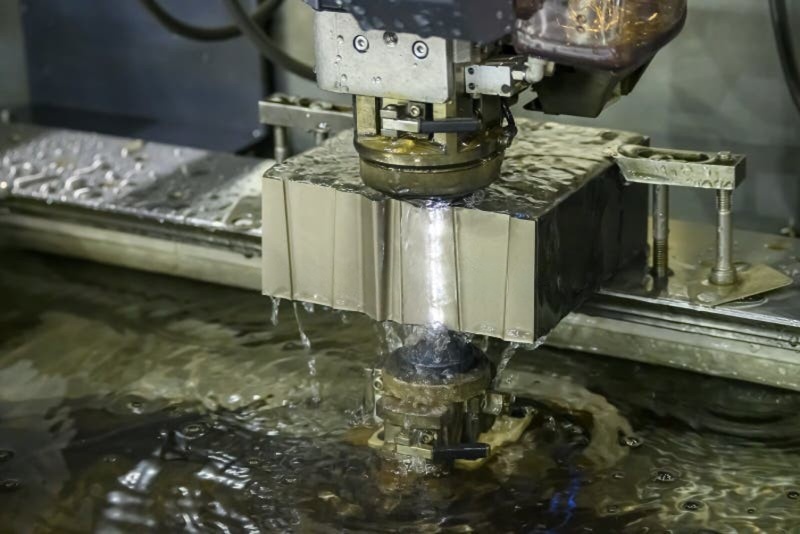
Process planning is input for a smooth fabrication of molds. This often requires advanced machinery and skilled technicians. Precision fabrication ensures that the mold components fit together perfectly and function as intended. Technologies such as CNC machining, EDM (Electrical Discharge Machining), Wirecut EDM and additive manufacturing are commonly employed in mold fabrication. Two halves of the mold are final assembled, often employing blue matching to ensure the accuracy of the mold is consistent with design. Mold trials are conducted to trouble shoot any tolerance stackup are causing discrepancies in part production.
Manufacturing Efficiency
Cycle Time Reduction
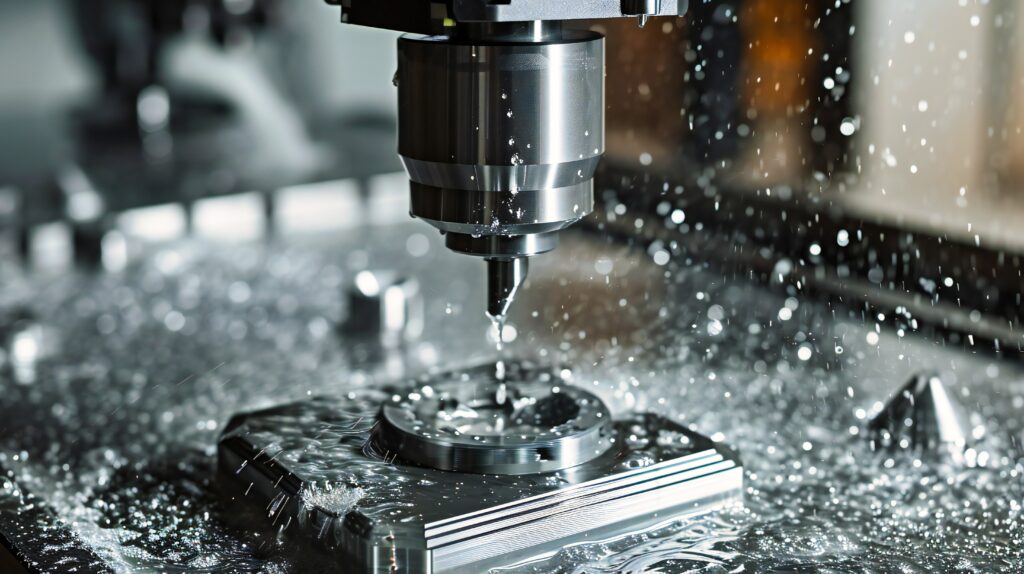
A well-designed mold can significantly reduce the cycle time of the injection molding process. Efficient cooling channels, optimal gate design, and proper venting all contribute to faster production cycles. This, in turn, leads to higher throughput and lower production costs.
Material Efficiency
Mold design knowledge allows for the efficient use of materials. By minimizing waste and optimizing the mold cavity layout, designers can reduce material consumption. This not only cuts down on costs but also aligns with sustainable manufacturing practices by reducing the environmental footprint.
Maintenance and Longevity
Molds are substantial investments in the manufacturing industry. Proper design and maintenance considerations can extend the lifespan of molds, ensuring they remain functional and efficient over prolonged periods. This reduces downtime and the need for frequent mold replacements, further enhancing manufacturing efficiency.
Innovation and Customization
Complex Geometries
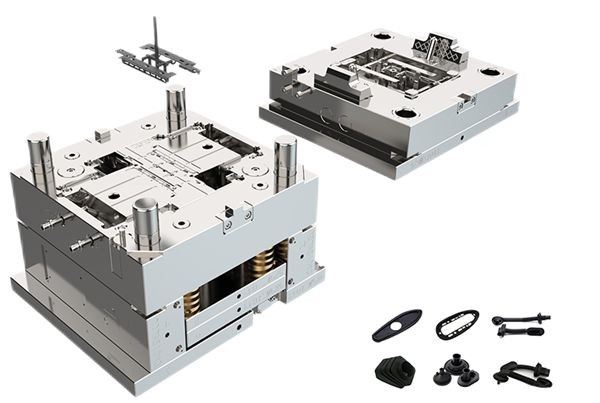
Advanced mold design knowledge enables the creation of complex geometries that would be challenging or impossible with traditional manufacturing methods. This opens up new possibilities for product innovation, allowing designers to push the boundaries of what can be achieved with plastic parts. Knowledge of parting lines, where to add radii and minimum radii possible are a few examples of Mold Design knowledge helping design engineers in choosing the right features and understand manufacturing limitations. Though there are ways to achieve complex geometries, Mold manufacturing knowledge like draft angles and undercuts can simplify product design and reduce expensive side action molds.
Customization
Mold design allows for a high degree of customization in plastic part production. Designers can tailor molds to produce parts with specific features, textures, and functionalities, catering to diverse market needs. This flexibility is invaluable in industries like healthcare, where customized components are essential. Advancements with multi material manufacturing and gas assisted molding make it possible to make lighter parts and have different finishes with different and cheaper core materials.
Cost-Effectiveness
Reduction of Defects
By incorporating robust mold design principles, manufacturers can significantly reduce the occurrence of defects. This leads to fewer rejected parts and lower rework costs, ultimately contributing to a more cost-effective production process.
Tooling Costs
Understanding mold design intricacies can help in optimizing tooling costs. By designing molds that are easy to manufacture and maintain, companies can reduce initial tooling expenses and ongoing maintenance costs. This economic benefit is crucial for maintaining competitive pricing in the market. Understanding design cycle and making choices at the start can reduce rework costs in the long run. For example choosing an insert for features that are subject to change and communicating with Mold designers can help keep a tab on modifications and related costs.
Conclusion
In conclusion, mold design knowledge is indispensable in the realm of plastic part manufacturing. It not only ensures the production of high-quality, precise, and aesthetically pleasing parts but also enhances manufacturing efficiency, fosters innovation, and contributes to cost-effectiveness. As the industry continues to evolve, the importance of mold design will only grow, underscoring the need for continuous learning and expertise in this critical area. For manufacturers aiming to excel in the competitive landscape, investing in mold design knowledge is a strategic imperative that promises substantial returns in quality, efficiency, and innovation.